Master Essential Cycling Safety Techniques

Cycling is a fantastic way to stay fit, explore your surroundings, and reduce your carbon footprint. However, safety should always be a top priority for every cyclist. Whether you are a beginner or an experienced rider, mastering essential bike safety advice can help you avoid accidents and enjoy your rides with confidence. This guide will walk you through practical tips and techniques to keep you safe on the road.
Understanding the Importance of Bike Safety Advice
Bike safety is not just about wearing a helmet or following traffic rules. It encompasses a wide range of practices that protect you and others around you. Knowing how to anticipate hazards, communicate with drivers and pedestrians, and maintain your bike properly can make a significant difference.
For example, always wearing a helmet reduces the risk of head injuries in case of a fall or collision. But beyond that, being visible with reflective gear and lights, signaling your turns clearly, and riding predictably are equally important. These actions help drivers and other road users understand your intentions and react accordingly.
By adopting comprehensive bike safety advice, you reduce the chances of accidents and enhance your overall riding experience.
Key Bike Safety Advice for Every Rider
Here are some essential bike safety techniques that every cyclist should master:
1. Wear Proper Safety Gear
Helmet: Always wear a helmet that fits well and meets safety standards.
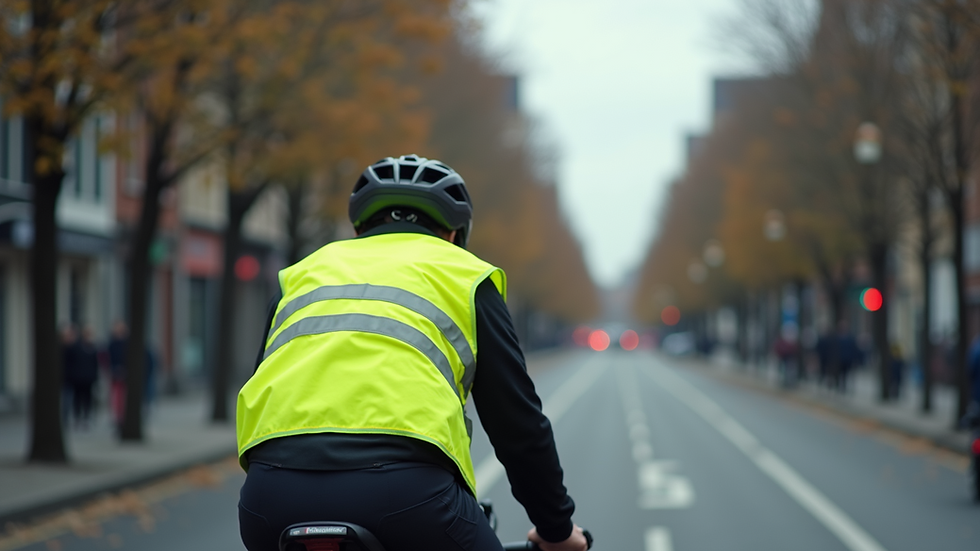
Reflective Clothing: Use bright and reflective clothing, especially when riding at dawn, dusk, or night.
Gloves and Pads: Consider gloves for better grip and protection, and knee or elbow pads for extra safety.
2. Maintain Your Bike Regularly
Check tire pressure before every ride.
Ensure brakes are functioning properly.
Lubricate the chain and inspect gears.
Make sure lights and reflectors are clean and working.
3. Follow Traffic Rules
Obey all traffic signals and signs.
Ride in the same direction as traffic.
Use bike lanes where available.
Stop at stop signs and red lights.
4. Use Hand Signals
Signal left and right turns clearly.
Use hand signals to indicate slowing down or stopping.
Make eye contact with drivers when possible to ensure they see you.
5. Stay Alert and Avoid Distractions
Keep both hands on the handlebars except when signaling.
Avoid using headphones or mobile devices while riding.
Watch for road hazards like potholes, debris, and parked cars.
6. Plan Your Route
Choose bike-friendly routes with less traffic.
Avoid busy roads or highways when possible.
Use bike maps or apps to find safe paths.
By integrating these practices into your routine, you will significantly improve your safety and confidence on the road.
Essential Techniques for Safe Riding
Mastering certain riding techniques can help you navigate traffic and obstacles more effectively.
Positioning on the Road
Ride predictably by maintaining a straight line and avoiding sudden swerves. Position yourself where drivers expect you to be, usually about one meter from the curb or parked cars to avoid dooring accidents.
Braking Safely
Use both brakes evenly to stop smoothly. Practice emergency stops in a safe area to build confidence. Avoid sudden braking that could cause you to lose control.
Cornering and Turning
Slow down before turns and look over your shoulder to check for traffic. Signal your intention well in advance. Lean your bike slightly into the turn while keeping your body upright.
Handling Intersections
Be extra cautious at intersections. Make eye contact with drivers and pedestrians. Yield when necessary and never assume others will see you.
Riding in Groups
If cycling with others, ride single file on narrow roads and communicate hazards by calling out or using hand signals.

How to Stay Visible and Communicate Effectively
Visibility is crucial for safety, especially in low-light conditions or busy traffic. Here are some tips to enhance your visibility and communication:
Use Front and Rear Lights: White light in front and red light at the back are essential for night riding.
Wear Reflective Gear: Reflective vests, ankle bands, and helmets increase your visibility.
Make Eye Contact: Whenever possible, make eye contact with drivers and pedestrians to confirm they see you.
Use Clear Hand Signals: Practice consistent and clear hand signals for turning and stopping.
Avoid Blind Spots: Stay out of drivers’ blind spots, especially large vehicles like trucks and buses.
These steps help ensure that others on the road are aware of your presence and intentions, reducing the risk of collisions.
Practical Tips for Urban and Rural Cycling Safety
Cycling environments vary greatly, and adapting your safety techniques to the setting is important.
Urban Cycling Safety
Be extra cautious at intersections and crosswalks.
Watch for opening car doors and pedestrians.
Use bike lanes and obey traffic signals.
Avoid distractions like phone use or loud music.
Rural Cycling Safety
Wear bright clothing to stand out against natural backgrounds.
Be prepared for uneven terrain and loose gravel.
Carry repair tools and water, as help may be far away.
Watch for wildlife and farm vehicles.
By tailoring your approach to the environment, you can better anticipate risks and respond appropriately.
Incorporating Cycling Safety Tips Into Your Routine
To make safety a habit, consider the following:
Perform a quick safety check before every ride.
Practice hand signals and emergency maneuvers regularly.
Stay updated on local cycling laws and regulations.
Join cycling groups or classes to learn from experienced riders.
Use resources like cycling safety tips to stay informed.
Consistent practice and education will help you become a safer and more confident cyclist.
Keep Your Ride Safe and Enjoyable
Mastering essential bike safety advice is key to enjoying cycling without unnecessary risks. By wearing the right gear, maintaining your bike, following traffic rules, and practicing safe riding techniques, you protect yourself and others on the road. Remember, safety is a continuous process that requires attention and care every time you ride.
Stay visible, communicate clearly, and adapt your riding to the environment. With these strategies, you can confidently explore your routes and make cycling a rewarding part of your lifestyle.


Comments